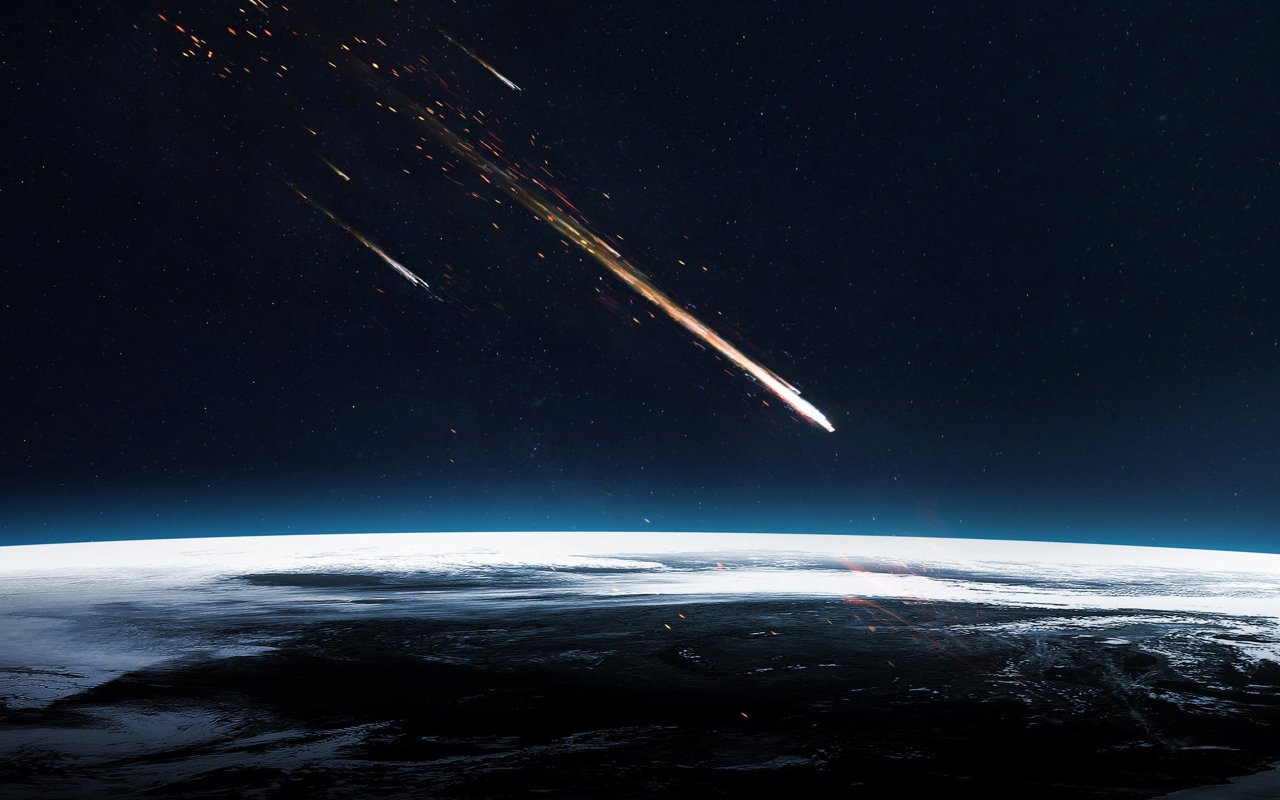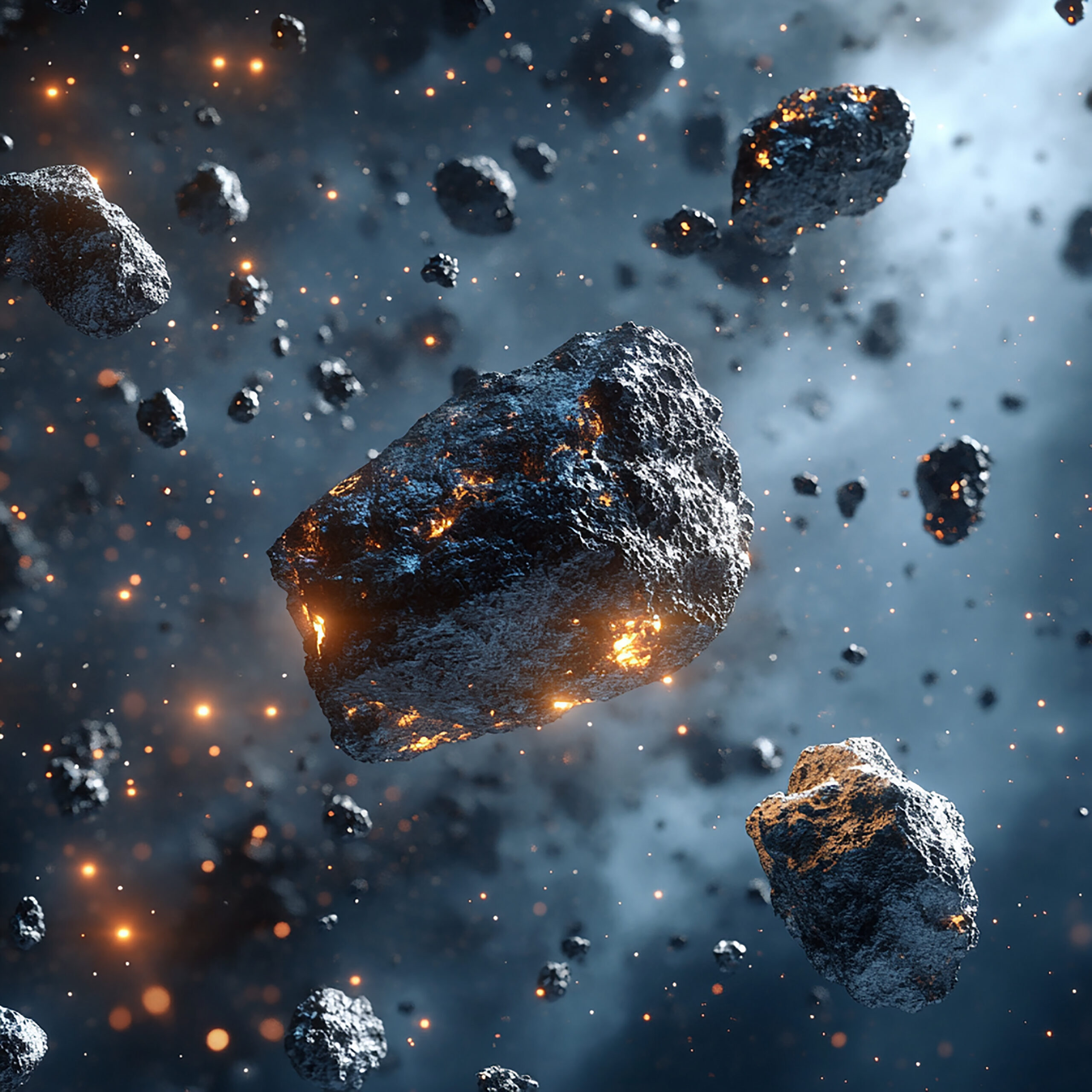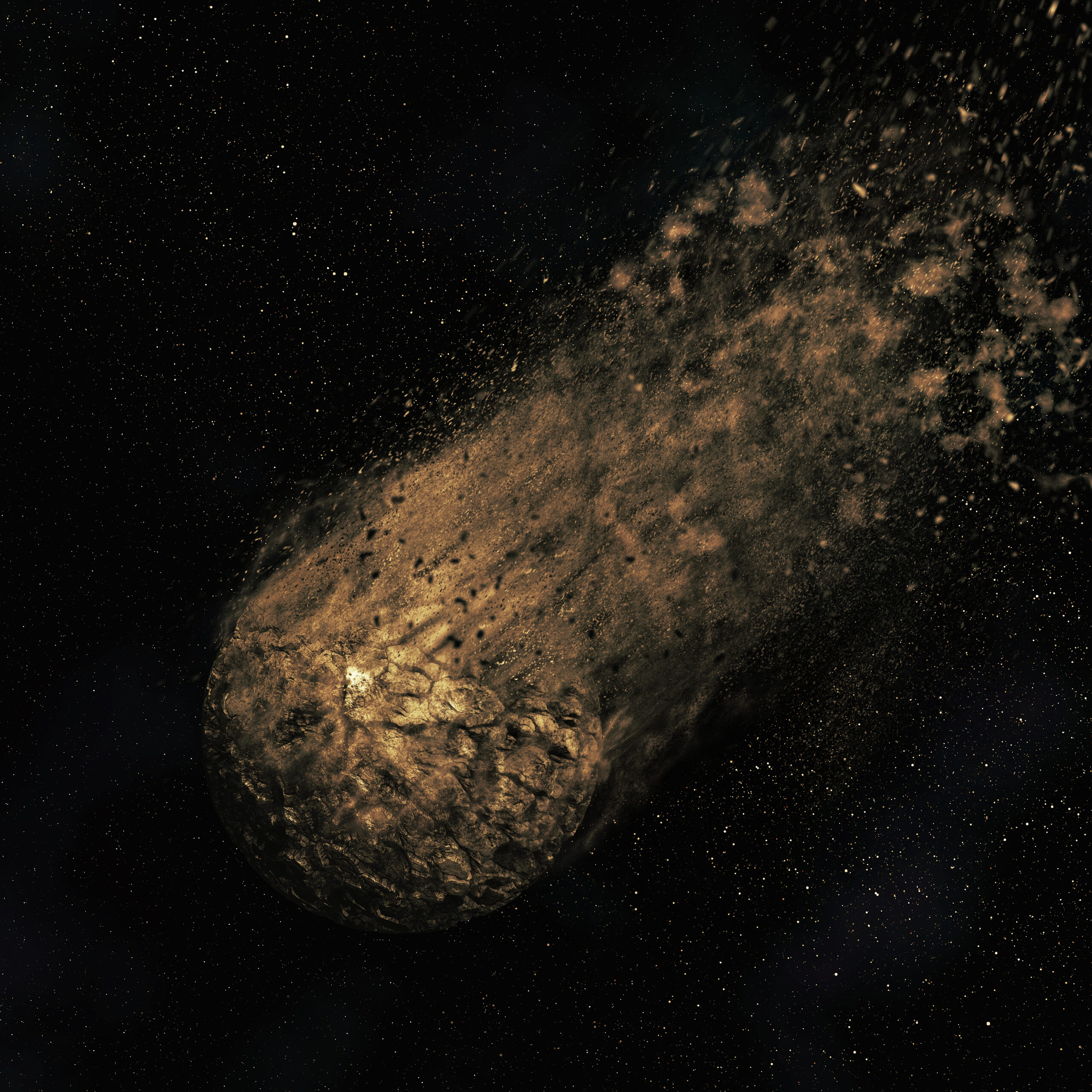
Meteorites are real fragments from space that have landed on Earth—but not all of them are the same. There are different types of meteorites depending on their composition, appearance and origin.
If you’re new to this world or thinking about buying one, understanding their differences is key. Here’s a simple and clear guide to help you identify the main types of meteorites.
☄️ 1. Iron meteorites
Iron meteorites are mainly composed of iron and nickel. They are one of the easiest types to recognize.
Key features:
- Very heavy for their size
- Metallic color (dark grey or silver)
- Magnetic
- Surface can look smooth or “melted”
Interesting fact:
When cut and polished, they can reveal the famous Widmanstätten pattern, a unique internal structure not found on Earth.
Best for:
Those looking for a durable, resistant piece with a strong industrial aesthetic.
🪨 2. Stone meteorites (chondrites)
These are the most common meteorites and make up the majority of those that fall to Earth.
Key features:
- Rock-like appearance
- Less dense than iron meteorites
- May contain small spheres called chondrules
- Dark outer layer (fusion crust)
Interesting fact:
Some are over 4.5 billion years old, making them one of the oldest materials you can hold.
Best for:
Anyone looking for something natural, authentic and closely linked to the origin of the solar system.
🌌 3. Stony-iron meteorites
Also known as pallasites or mesosiderites, these are the rarest and most visually striking.
Key features:
- Mix of metal and minerals
- Can contain olivine crystals (greenish, translucent look)
- Extremely eye-catching when polished
- More rare and valuable
Interesting fact:
Some look like natural space gemstones, with glowing crystals embedded in metal.
Best for:
Collectors or anyone looking for a unique, high-impact piece.
🔍 How to identify a meteorite easily
If you’re unsure, these quick tips can help:
- Heavy + magnetic → likely iron
- Rock-like + dark crust → stone
- Metal + visible crystals → stony-iron
Still, the most important factor is certification.
💡 Which type of meteorite should you choose?
It depends on what you’re looking for:
- Visual impact or decoration: stony-iron
- Durability and metallic look: iron
- History and natural origin: stone
🛒 Conclusion
Each type of meteorite is unique and carries its own story—from metallic cores of ancient asteroids to primitive fragments from the early solar system.
Buying a meteorite isn’t just a purchase—it’s owning a piece of space that has traveled millions of kilometers to reach you.